Binghamton University Middle Eastern and Ancient Mediterranean Studies (MEAMS )Department
MEAMS Department Happenings
For the latest MEAMS department announcements, news, upcoming events and more.
The Department of Middle Eastern and Ancient Mediterranean Studies (MEAMS) offers students the chance both to major and to minor in the languages, literatures and cultures of the ancient Mediterranean Greek, Roman, etc. and modern Arabic-speaking worlds. We provide instruction that is crucial to understanding where we are today and how we got here. Courses range from basic instruction in language (Arabic, ancient Greek, Latin, Turkish) and culture for all students in all programs, to advanced work preparatory to many rewarding careers, for example, in government, law, academia, communications, management and other fields.
News
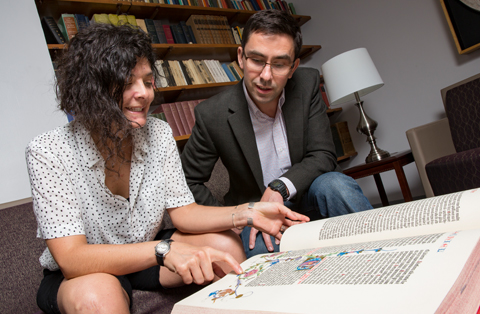
Research in Middle Eastern and Ancient Mediterranean Studies (MEAMS)
Our faculty focuses on areas of global importance and research within the Middle East, ancient Mediterranean and medieval worlds.

MEAMS Student Opportunities in Classics and Arabic Studies
The Department of Middle Eastern and Ancient Mediterranean Studies (MEAMS) offers students opportunities study abroad, to pursue research, and more.
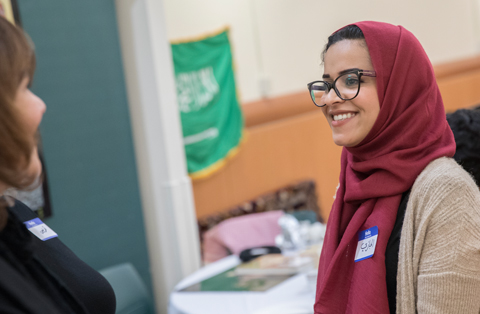
Center for Middle East and North Africa Studies (CMENAS)
We are committed to teaching and research concerned with the Middle East, North Africa, and adjacent areas.
